
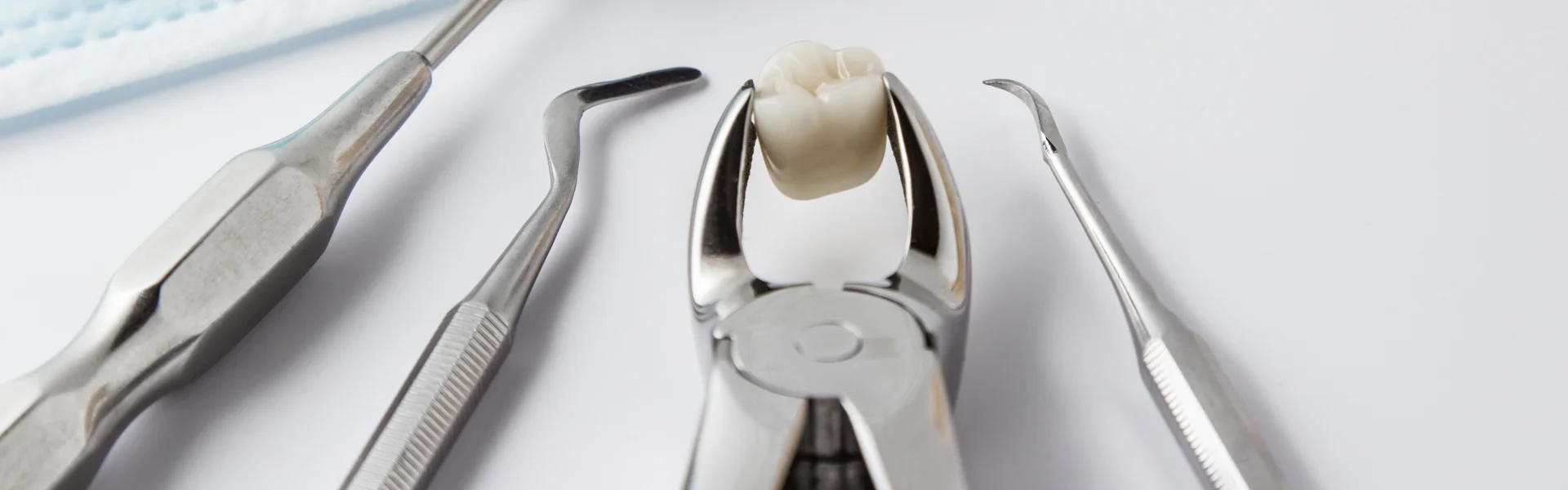
When Is a Tooth Extraction Necessary?
The primary goal in dental care is to maintain natural teeth whenever a stable solution is possible. Fillings, crowns, and root canal treatment can often restore comfort and function. Still, there are cases where removal is the healthier option. A recommendation for tooth extraction in St. Michael MN usually means the tooth has reached a point where predictable repair is no longer possible, or keeping it may affect nearby teeth and gums. Understanding when extraction is necessary can make the decision feel clearer and less stressful.
Why Saving Natural Teeth Is Always the First Goal
Natural teeth help you chew comfortably, keep nearby teeth in position, and support jawbone health. That is why conservative treatment comes first whenever a tooth can still be restored in a stable, lasting way.
Extraction is usually considered only after a careful exam shows that the tooth cannot be repaired with confidence. The goal is not simply to remove a problem tooth. The goal is to protect your overall oral health while preserving as much natural structure as possible.
Severe Tooth Decay That Cannot Be Restored
Tooth decay is one of the most common reasons extraction may be recommended. In many situations, a filling or crown can treat the damage. If the decay spreads too deeply, though, the tooth may lose too much healthy structure to support a restoration.
Once the damage reaches that point, removing the tooth may be the safer option. This can help control infection, relieve discomfort, and prevent further problems in the surrounding area. At this stage, a dentist in St. Michael MN will use a clinical exam and X-rays to assess whether the tooth can still be preserved.
Advanced Gum Disease and Tooth Mobility
When gum disease becomes severe, it can weaken the structures that support and stabilize your teeth. As support is lost, a tooth may begin to shift, loosen, or feel unstable during chewing.
If a tooth becomes too loose to function properly, extraction may be necessary to protect the surrounding gums and bone. Early treatment can often slow gum disease and reduce the risk of tooth loss, which is one reason routine dental care remains so important.
Impacted or Problematic Wisdom Teeth
Wisdom teeth do not always have enough room to erupt normally. Some stay trapped below the gums, while others come in at an angle that affects nearby teeth.
This can lead to pain, swelling, pressure, or infection. In some cases, wisdom teeth also make the back of the mouth harder to clean, which raises the risk of decay and inflammation. Removing them can lower the risk of future complications and help protect long-term oral health.
Tooth Fractures Below the Gum Line
A tooth can crack because of an injury, biting on something hard, or weakening caused by decay. Minor fractures can sometimes be repaired, depending on where the damage is located.
If the crack extends below the gum line, the tooth may not be stable enough to restore. In that situation, extraction may be the safest choice. Removing the tooth can help prevent ongoing pain, infection, and damage to nearby tissue.
What to Expect During a Tooth Extraction
A tooth extraction is a common procedure, and patient comfort is an important part of the process. The area is numbed before treatment begins, and sedation may be discussed when the procedure is more complex or anxiety is a concern.
During the appointment, the dentist carefully loosens the tooth and removes it using the proper instruments. Afterward, the area is cleaned and protected as healing begins. Most people recover well and return to their usual routine within a day or two, depending on the type of extraction.
Healing, Aftercare, and Replacement Options
Good aftercare supports smoother healing. Patients are often advised to rest, avoid smoking, skip straws for a period of time, and stay with softer foods while the area recovers.
After healing, your dentist may suggest replacing the missing tooth to help restore normal chewing and prevent surrounding teeth from shifting. Depending on the location of the tooth and the condition of the surrounding bone, options may include a dental implant, bridge, or denture.
When to See a Dentist in St. Michael MN for Evaluation
Ongoing tooth pain, swelling, sensitivity when biting, or a tooth that feels loose should not be ignored. These symptoms can point to a problem that may worsen without treatment.
A prompt evaluation helps determine whether the tooth can be treated conservatively or whether removal is the healthier option. What matters most is answering the real clinical question: can the tooth be saved, or has extraction become the better path?
Final Thoughts
Tooth extraction is usually not the first choice, but it may be the right one when a tooth cannot be restored or is affecting your overall oral health. Clear diagnosis, thoughtful treatment planning, and careful aftercare all matter. If you need guidance on your next step, St Michael Dental Center can explain your options and help you make an informed decision about your care. If you’re experiencing discomfort or unsure about your symptoms, schedule an evaluation to get clear answers and the right treatment at the right time.